
Looking for treatment options?
We can help you or your loved one find the Right drug or alcohol treatment program based on your specific situation. Call us Now!

Get Help Now!
- Counselors available 24/7.
- 100% Confidential.
- This service is free of charge.
Effects of Drug Abuse
 The effects of drug abuse are experienced by not only the abuser, even if the individual abusing drugs thinks that this is the case or would like to believe this so they can continue self-destructing. No, the effects of drug abuse are of course felt by their closest loved ones, and truly everyone in their lives is affected in some way including people in the workplace for example. The effects of drug abuse are even more far reaching than that, as drug abuse truly impacts communities small and large including the people in it and government and law enforcement agencies including the judicial systems there. The effects of drug abuse of course impact health care systems, as individuals who abuse drugs will typically begin to degrade physically or in many cases experience serious side effects or even overdose. So as you can see, someone abusing drugs must be helped not only for themselves but for many other reasons as the effects of substance abuse are so widespread.
When someone abuses drugs because they are looking to experiencing some type of pleasure or temporary escape from their reality, they don't often stop to consider what the side effects of the drug that they are taking might be. The positive effects they are wishing to experience are the only thing they consider at the time, and they want to experience these effects as quickly and as often as possible. This is due to the powerful effects that drugs create in the body and mind, which can become addicting because an individual cannot replicate these intensely euphoric and pleasurable experiences and feelings on their own. Most all drugs however don't only produce positive and pleasurable experiences. There is always a downside in most cases. This downside could be an extremely harsh comedown, meaning an individual may feel very euphoric and happy while high but then experience extreme anxiety, depression, etc. when the drug's effects wear off. These effects are common with drugs such as methamphetamine or cocaine for example. This is what impels a person to take more of these types of drugs more often, so that they can just stay high and not experience the comedown.
Effects of Opiate Abuse
Drugs like heroin and prescription opioids for example cause a different kind of comedown, which is more physical in nature. While not life threatening, it can seem so at the time, because opiate drugs cause intense physical effects when a person abstains from them after even short term use. These effects can range from moderate to intense depending on the person's level of dependence. Opiate withdrawal can make a person feels extremely ill, like the worst cold or flu imaginable, and the intense cravings they experience to use more drugs trumps anything else in their life.
Effects of Alcohol Abuse
Alcohol abuse is a very serious problem because it is so acceptable to binge drink and to drink liberally, and many people don't consider this to be a problem or liken it to abuse of hardcore drugs. However, alcohol is the most abused drug on the planet, and the effects of alcohol abuse and alcoholism are just as pronounced as any type of drug abuse problem. Nearly 2 million fatalities each year can be attributed to alcohol, whether it is alcohol-induced liver disease, cancers, murders, motor vehicle accidents, or what have you. Alcohol related motor vehicle accidents account for 17,000 of these deaths each year in the U.S. Millions more will die this year because it is socially acceptable to abuse alcohol and many won't get help despite the fact that they are addicted to alcohol. Special treatment is often needed for someone who is dependent to alcohol, and the withdrawal can be life threatening. This is why it is extremely important to consider alcohol as a drug like any other, and seek help for yourself or someone you care about when this is evident.
Effects of Intravenous Drug Abusers
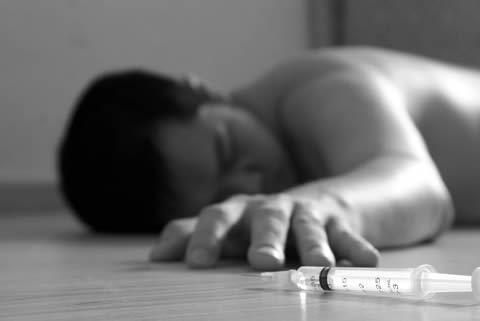 The effects of drugs abuse covered to far don't cover some very serious concerns that come along with drug use, whether acute or chronic. One of these concerns is intravenous drug use, a problem affecting over 13 million people in the U.S. alone. Injecting a drug delivers the drug to the bloodstream and brain almost instantly, so is a preferred method of administration for many users. These days it isn't just heroin users who are IDU's, and nearly any drug can be administer in this way including prescription narcotics which can be crushed, diluted and then injected. IDU's are putting themselves at risk any many negative health effects due to dirty needles, and individuals who share needles are at high risk of contracting HIV and Hepatitis for which there is no cure. There are also risks with scarring and abscesses, as well as collapsed veins, all of which can be life threatening.
Dangers of Drug Abuse
One of the very serious effects of all substances which are abused is that drugs and alcohol lower one's inhibitions. As a result, individuals often engage in activities they wouldn't normally engage in, many of which can be dangerous and even life threatening. For example, someone who is high on drugs or drunk is more likely to engage in unprotected sex and sex with multiple partners. Not only does this put them at risk of unwanted pregnancy, but this of course also opens the door to the reality that they could very well contract any number of blood borne diseases which could change their lives forever. This could of course happen to anyone at any time, even someone who doesn't consider that they are an alcoholic or drug addict.
It's Never Too Late To Get Help
Contact Us For Help Finding A Treatment Program

Speak with one of our counselors who can help you find an appropriate drug or alcohol treatment program based on your particular situation and needs. This is a free service and 100% confidential.
Call toll-free 1-888-794-0381 or email us now. Counselors are available 24/7.
The effects of drug abuse can be acute, but they can also alter one's quality of life forever or even end one's life. Most times, someone who is abusing drugs won't realize this until it is too late. But it is never too late to get help, and it sometimes takes direct intervention from friends and loved ones who are also affected by this abuse so that the effects are limited and the individual can have a chance at a quality life in the future. If you know someone who is abusing drugs or alcohol, insist they get help immediately. Step in and do whatever you can to help them before it's too late.
Need help finding treatment?
Choosing the correct treatment program for yourself or a family member can be one of the the most important decisions you ever make. With so many choices for treatment, and so many variables to consider, getting help from a knowledgeable addiction specialist who understands what types of treatment will work best is invaluable.
Our addiction specialists are available 24 hours a day to answer any questions you may have about treatment. All calls and services are completely free of charge and completely confidential. Start your recovery today!
-
11,762
Rehab Centers
-
4,146
Locations
-
82,334
Services Offered
-
Infinite
Lives Saved